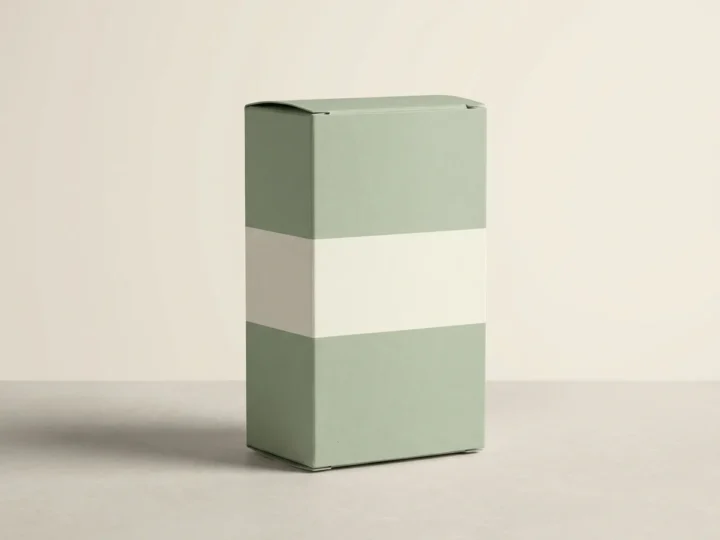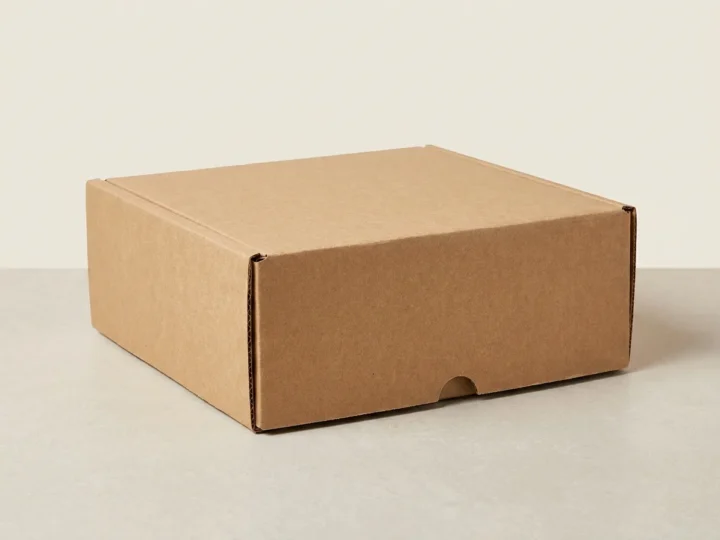
 Custom Rigid Boxes
Explore
Custom Rigid Boxes
Explore
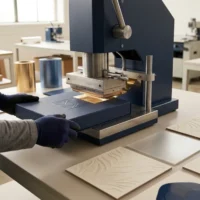
Most packaging problems are structural, and most of them are cheaper to solve before tooling than after. Design work at Valentino starts with how the packaging has to behave — what it holds, how it is filled, how it opens, whether it ships — and the visual work follows from that.
Concepts and construction
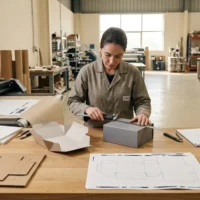
If you know what you are packing but not how, this is where a project begins. We look at the product, the way it will be sold or shipped, and the impression it needs to make, and propose a construction. Often the useful outcome of this stage is ruling things out: a rigid box that will not survive courier handling unprotected, or a tuck carton that will not hold the weight involved.
Structural design and dielines
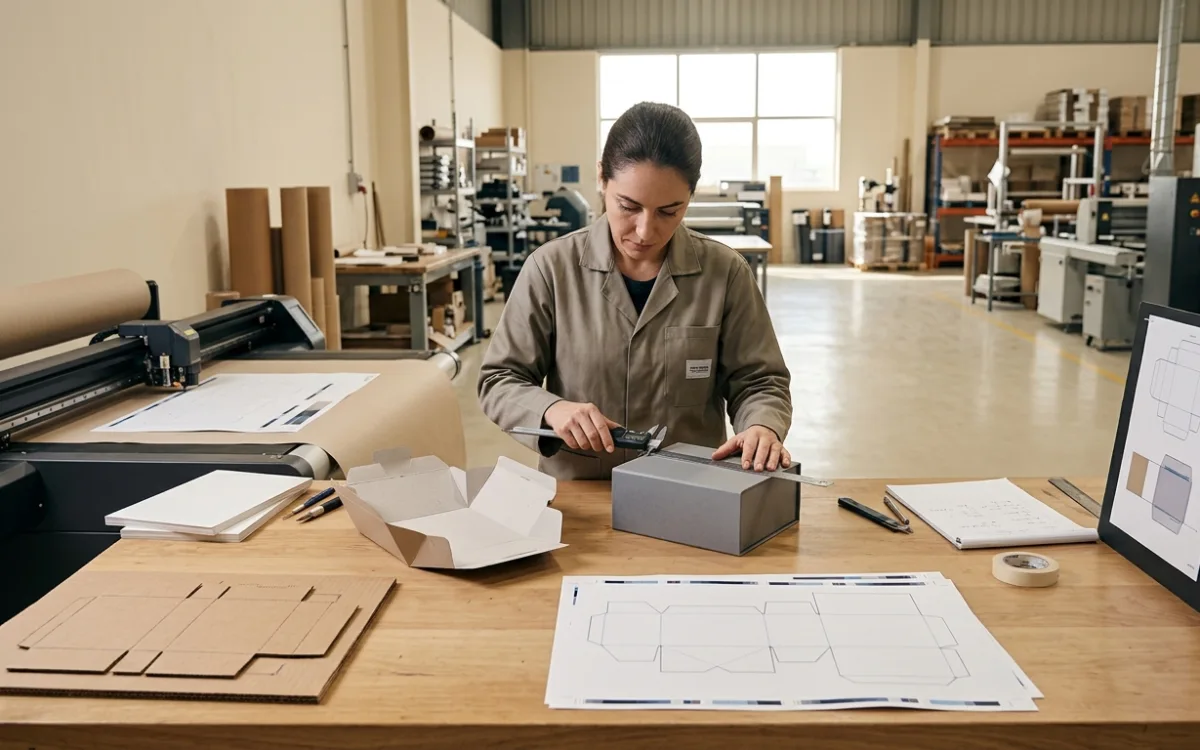
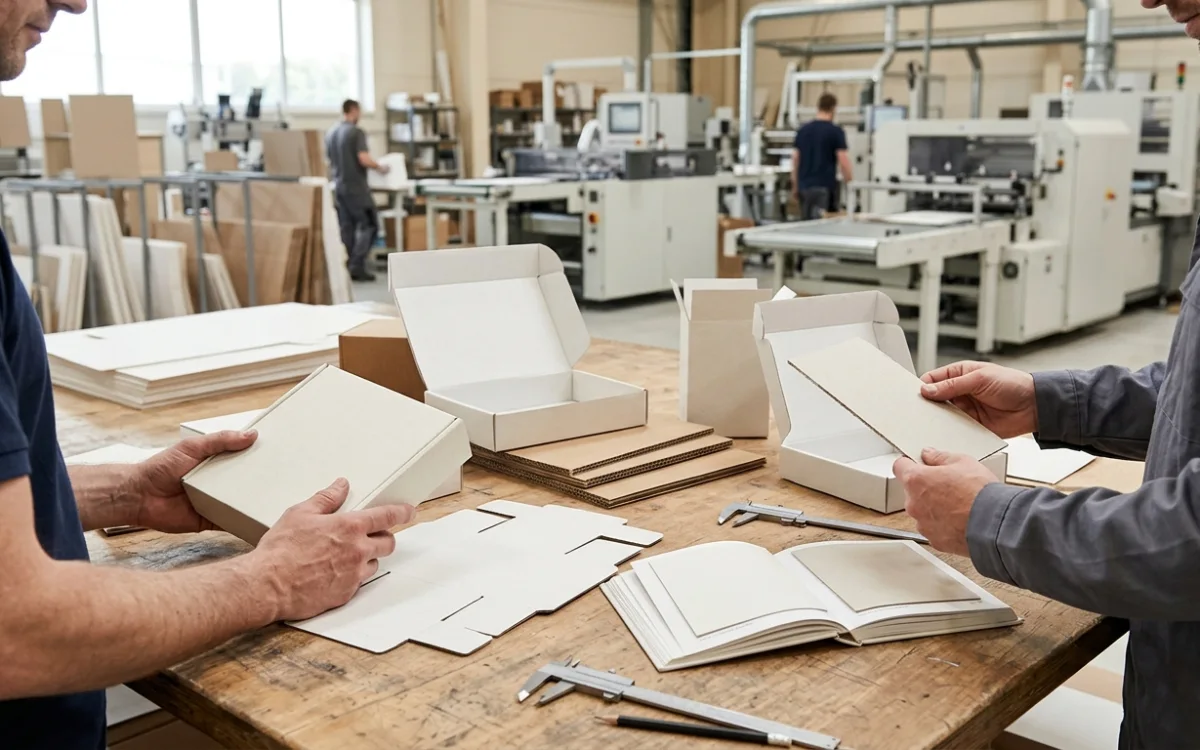
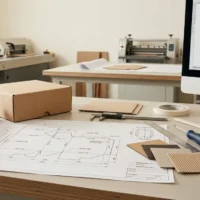
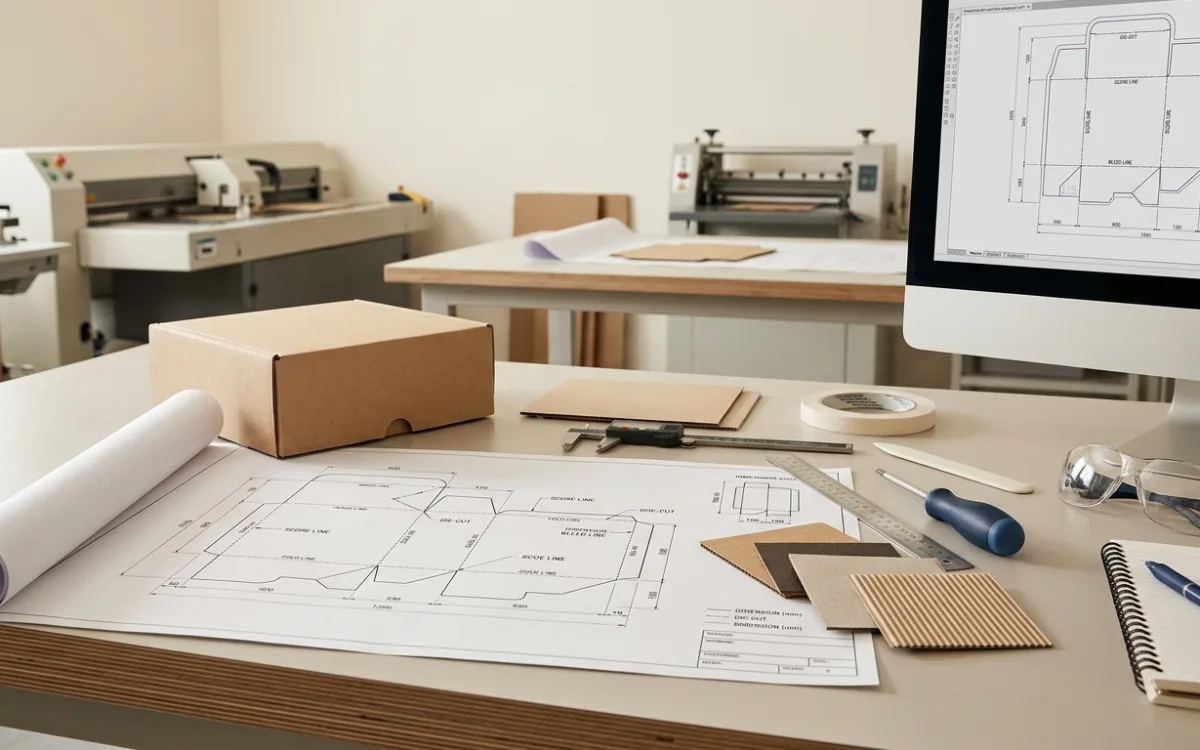
A dieline is the flat development of the packaging — every cut, crease and fold drawn to scale. We prepare dielines for new packaging, and check dielines supplied by your designer against the actual product dimensions. That check catches a surprising number of problems: cartons drawn to the outside of a product rather than the inside, glue flaps landing where a window will be cut, creases that make a box impossible to erect.
Artwork preparation
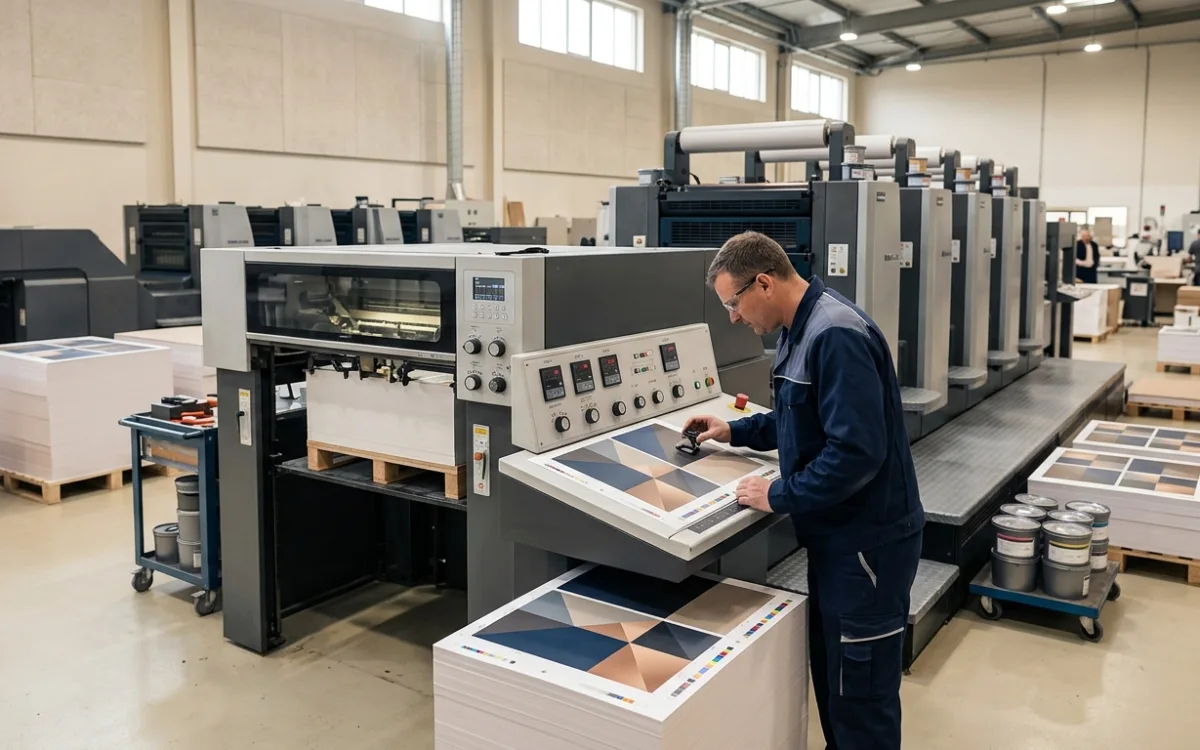
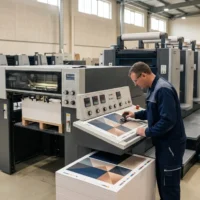
Artwork that looks correct on screen frequently is not press-ready. We prepare files for production — colour separation, spot colour definition, bleed, imposition against the dieline, and checking that fine detail will actually hold at the size it is being printed. Where you have a designer, we work with their files rather than replacing them.
Working from what you already have
You do not need a brief to start. A competitor pack you like, a photograph, a hand sketch or the product itself is usually enough for us to propose a construction and produce a dieline from it.
What this includes
- Packaging concepts developed around the product
- Structural design and construction selection
- Dielines prepared or checked against your product
- Artwork preparation and press-ready files
- Packaging development from an existing pack or a sketch