

 Custom Rigid Boxes
Explore
Custom Rigid Boxes
Explore
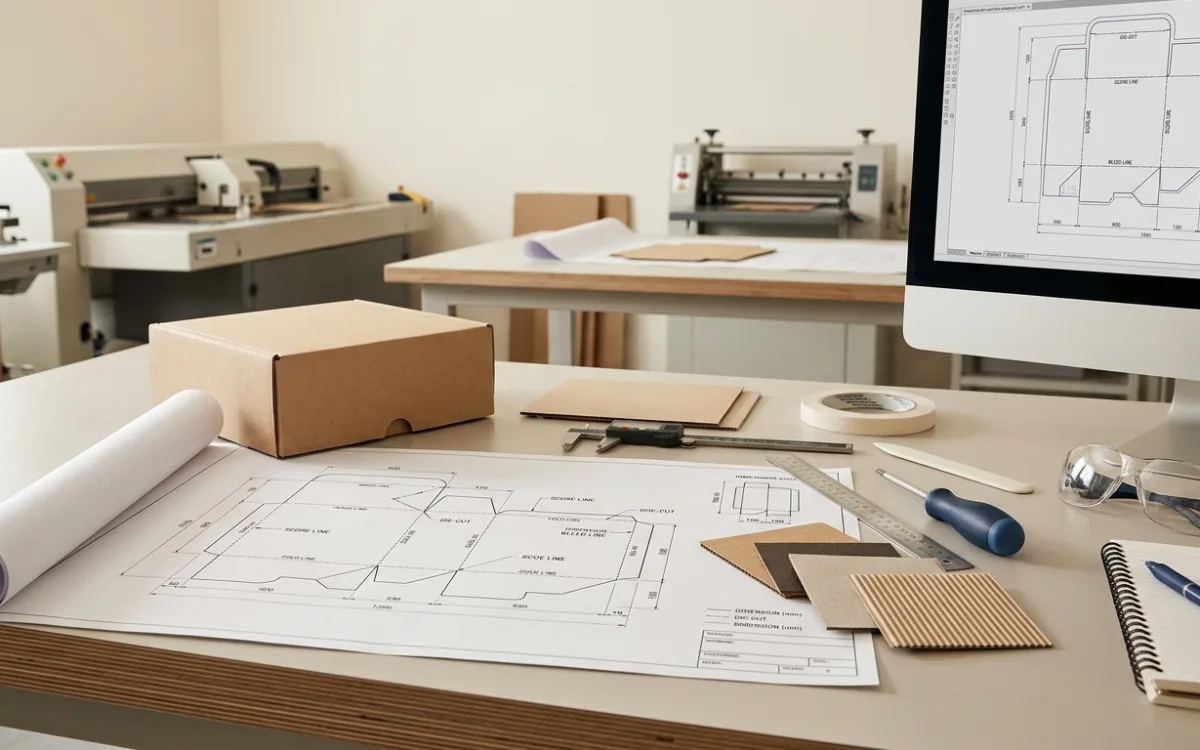
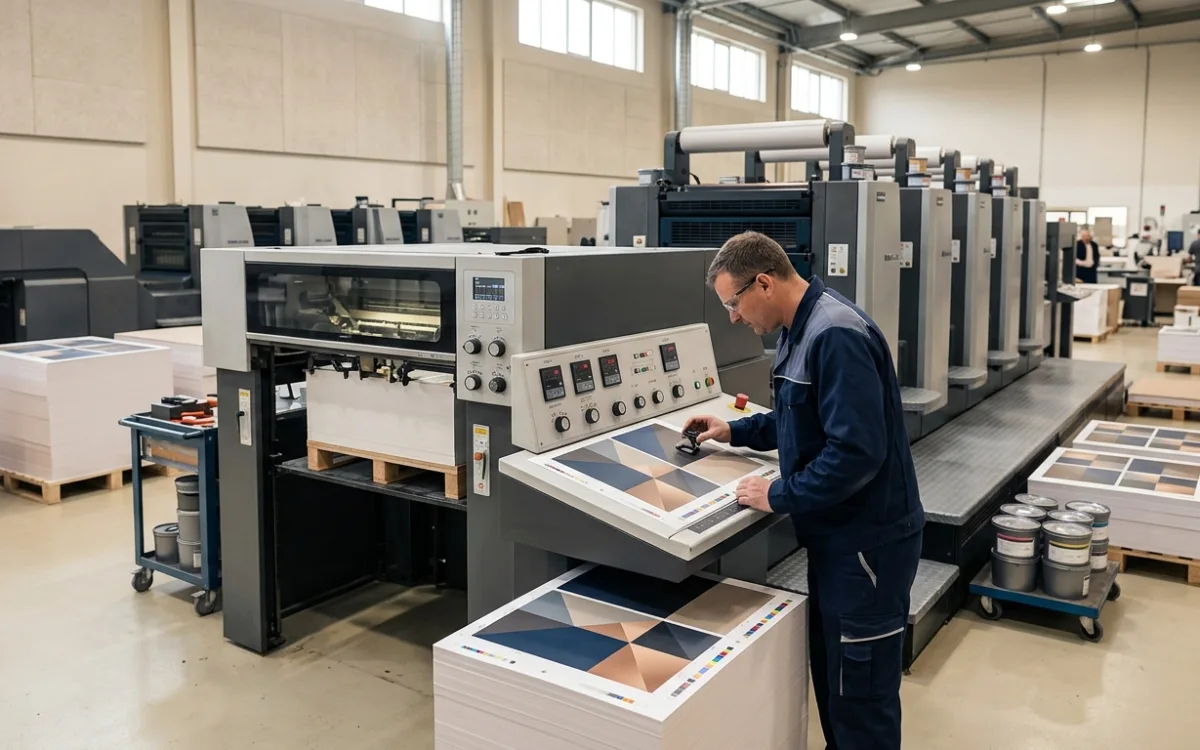
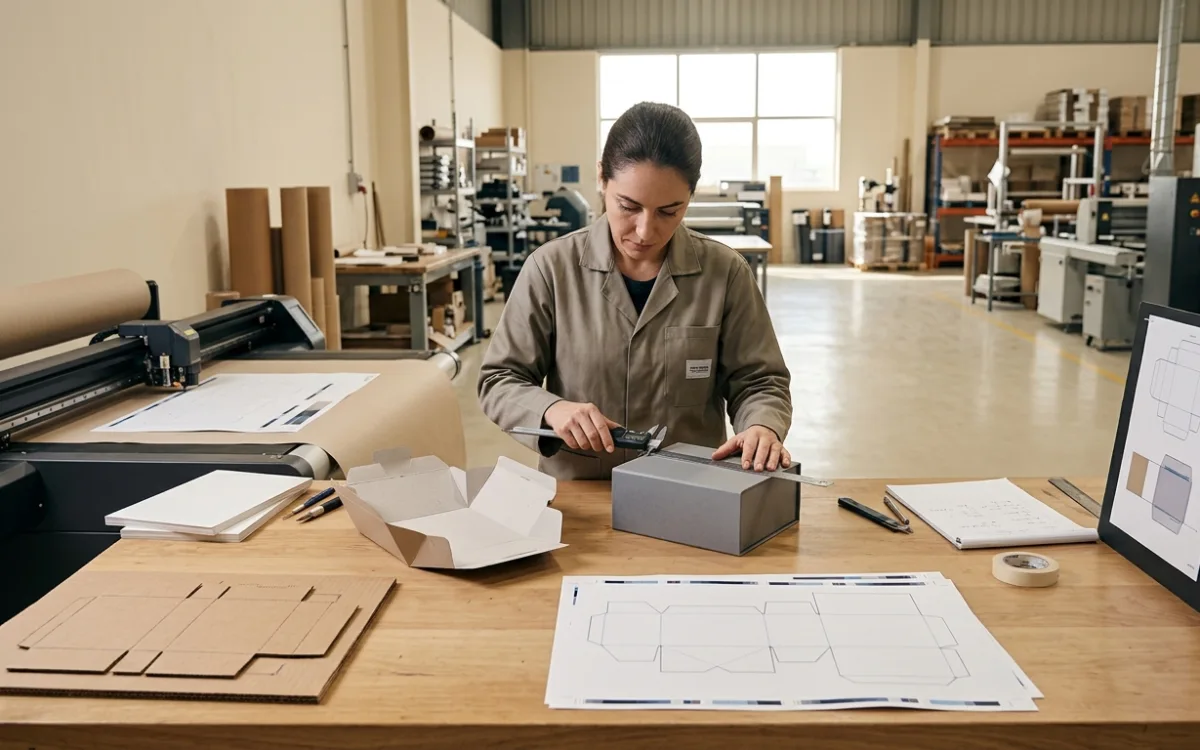
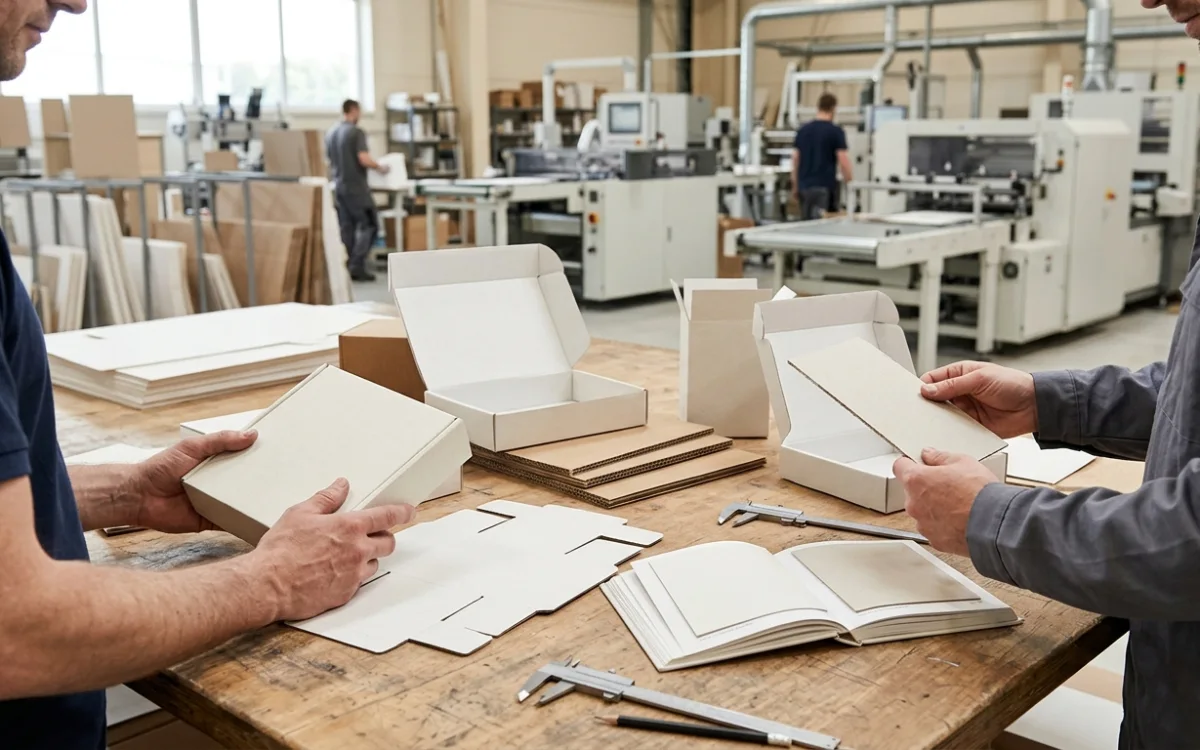
Most packaging decisions are trade-offs, and the useful conversation is about which ones are worth making. Because we manufacture what we recommend, our advice is constrained by what actually runs on a production floor rather than by what sounds good in a proposal.
Choosing a construction
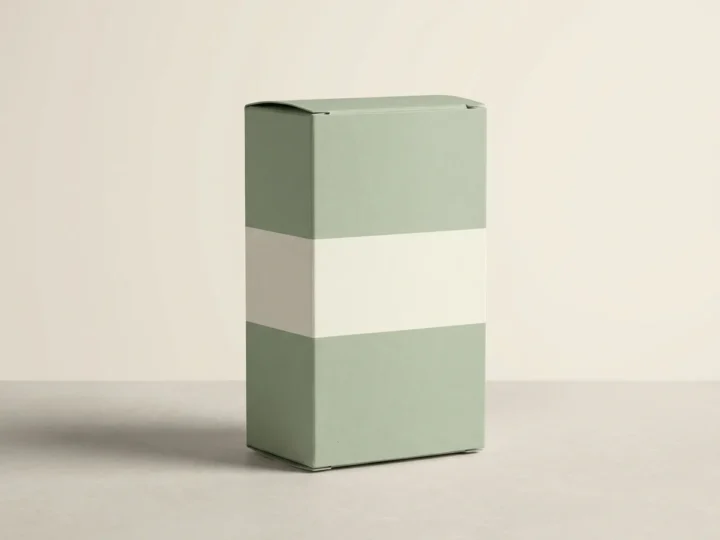
The most common question we are asked is which construction to use, and it is usually answered by three facts: what the product weighs, whether the packaging will be shipped or handed over, and how much storage space you have. Those three narrow the options quickly.
Reducing cost without looking cheaper
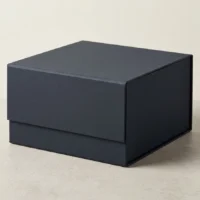
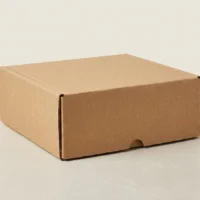
There is almost always a version of a pack that costs less and looks the same to a customer. Concentrating an expensive finish on the one panel people actually look at. Moving from a magnetic closure to a lid and base. Right-sizing a mailer so the freight bill drops. Switching a full-colour design to two well-chosen Pantone colours. These are the changes worth examining before cutting board weight, which customers do notice.
Reviewing packaging that is not working
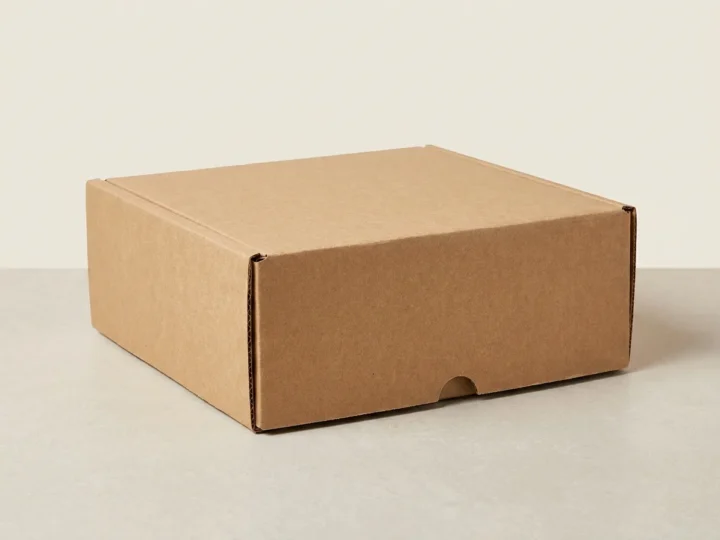
If your current packaging is arriving damaged, taking too long to pack, or costing more than it should, send us a sample. Most of these problems have a structural cause that is visible in the pack itself — an oversized box that lets contents move, a base construction that is not strong enough for the weight, a size that pushes every consignment into a higher freight band.
What to bring
The product itself, or its dimensions. Your current packaging if there is any. An idea of quantity, since it changes what is sensible. And any packaging you have seen and liked — a reference is worth more than a description.
What this includes
- Construction selection for a specific product
- Material and board recommendations
- Cost reduction without losing perceived quality
- Sizing to reduce freight and dimensional weight
- Reviewing existing packaging for problems
- Advice from the people who will manufacture it