 Custom Rigid Boxes
Explore
Custom Rigid Boxes
Explore
A sample is the cheapest insurance in packaging. Almost every expensive packaging mistake — a carton 3 mm too small, a lid that will not lift, a display that leans when filled — is caught by a physical sample and missed by a screen.
What a sample proves
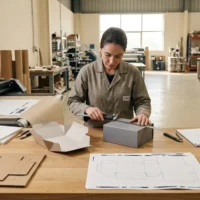
Three things a drawing cannot. Whether the product actually fits, with the clearance you need for tissue, wrap or decoration. Whether the packaging folds, locks and closes the way it is supposed to when a person handles it. And whether the structure holds under real weight, which matters for anything that has to carry or display.
Structural samples
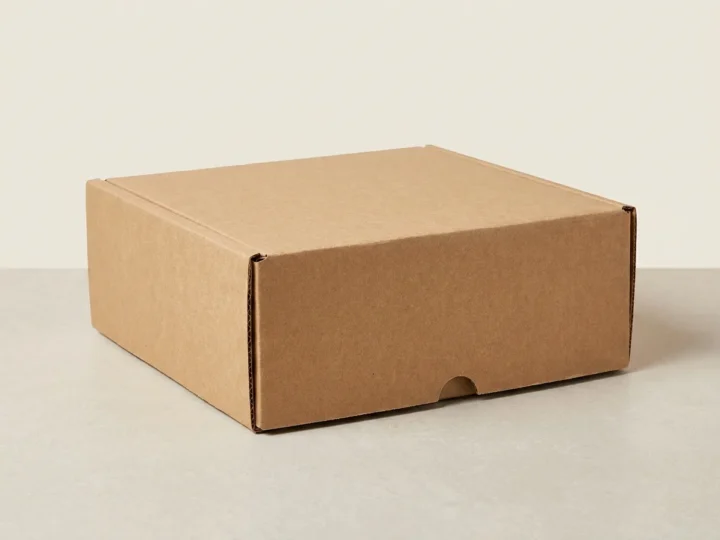
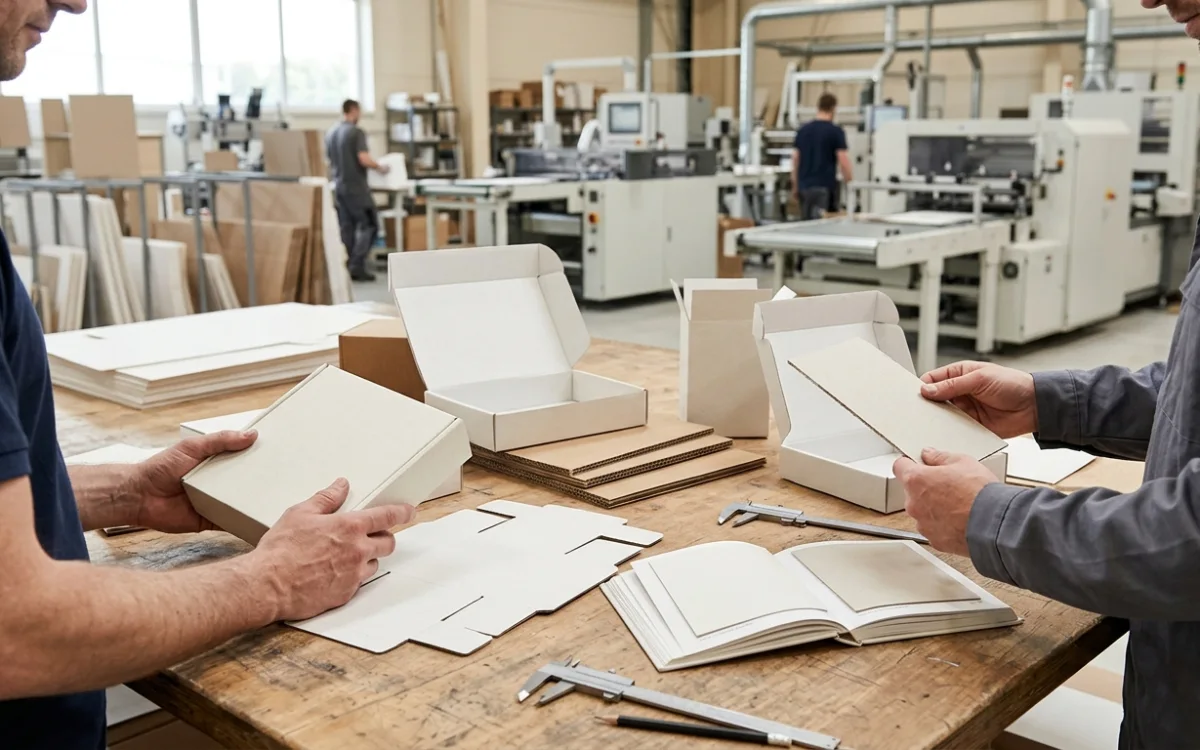
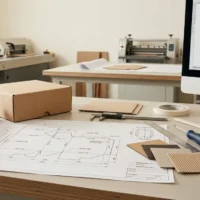
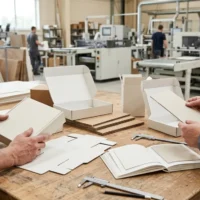
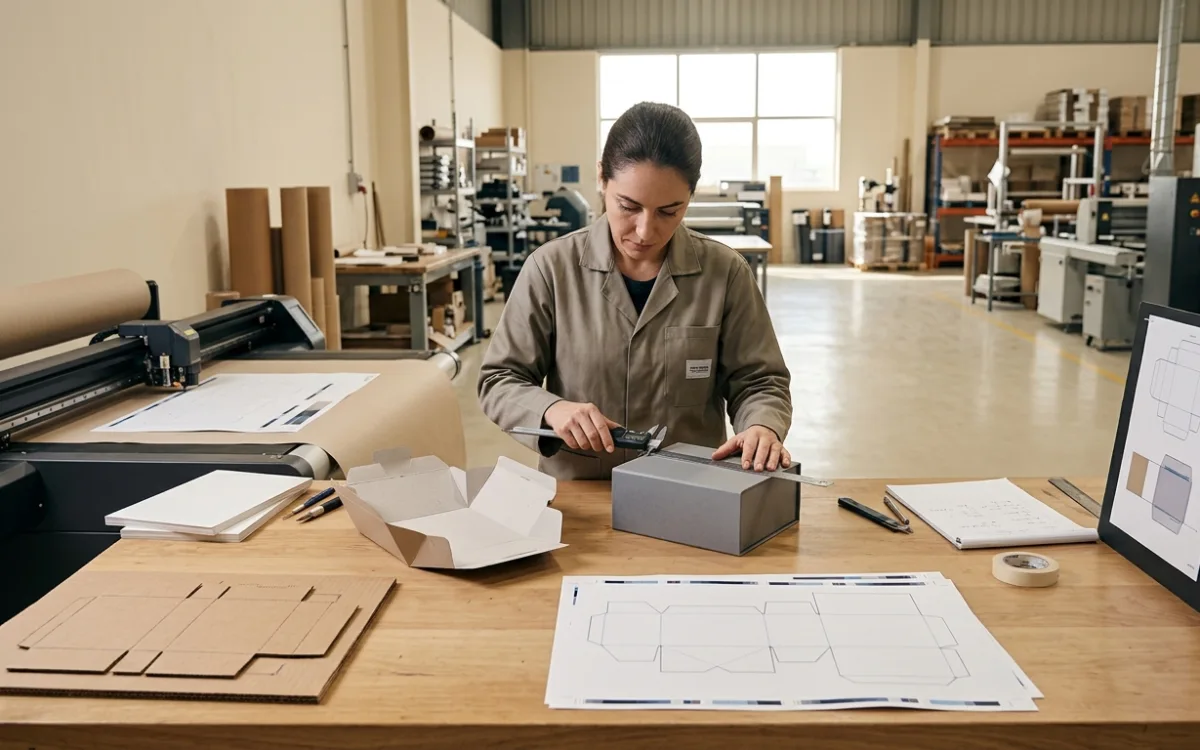
Structural samples are cut and folded from the intended board, unprinted or with indicative printing. They answer questions about fit and function. This is the stage to try the product in the box, close it, carry it, and be honest about whether it works.
Printed mock-ups
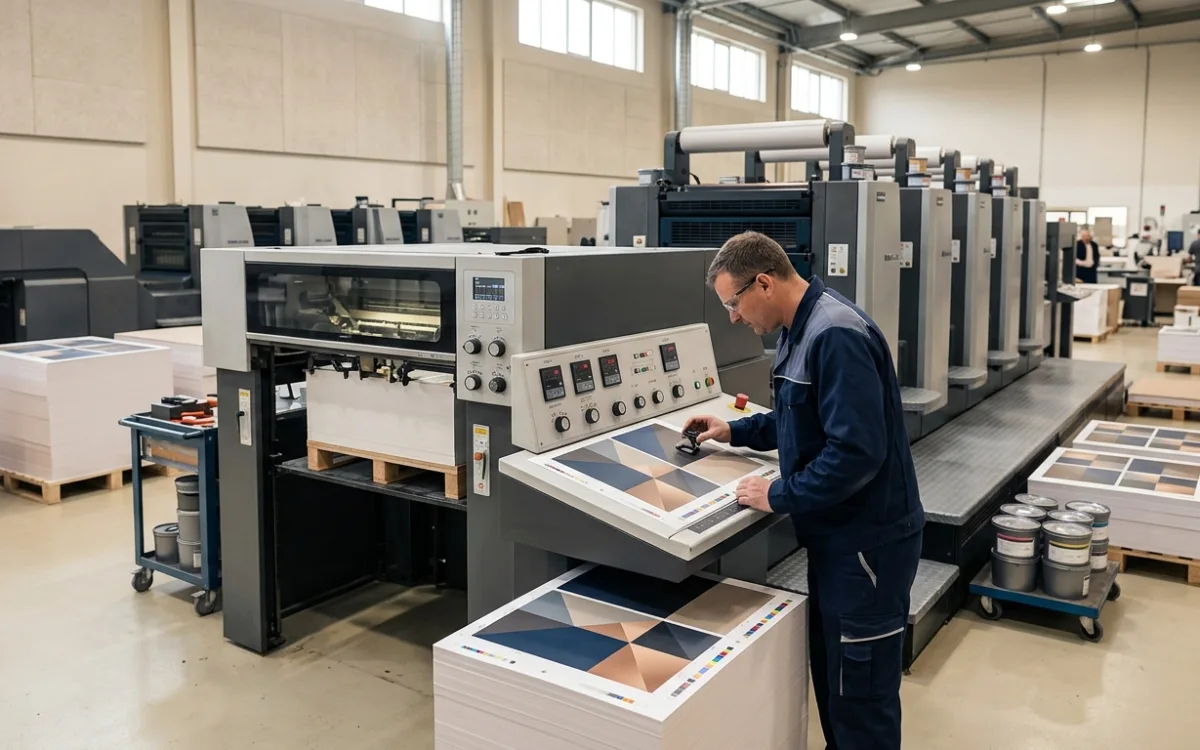
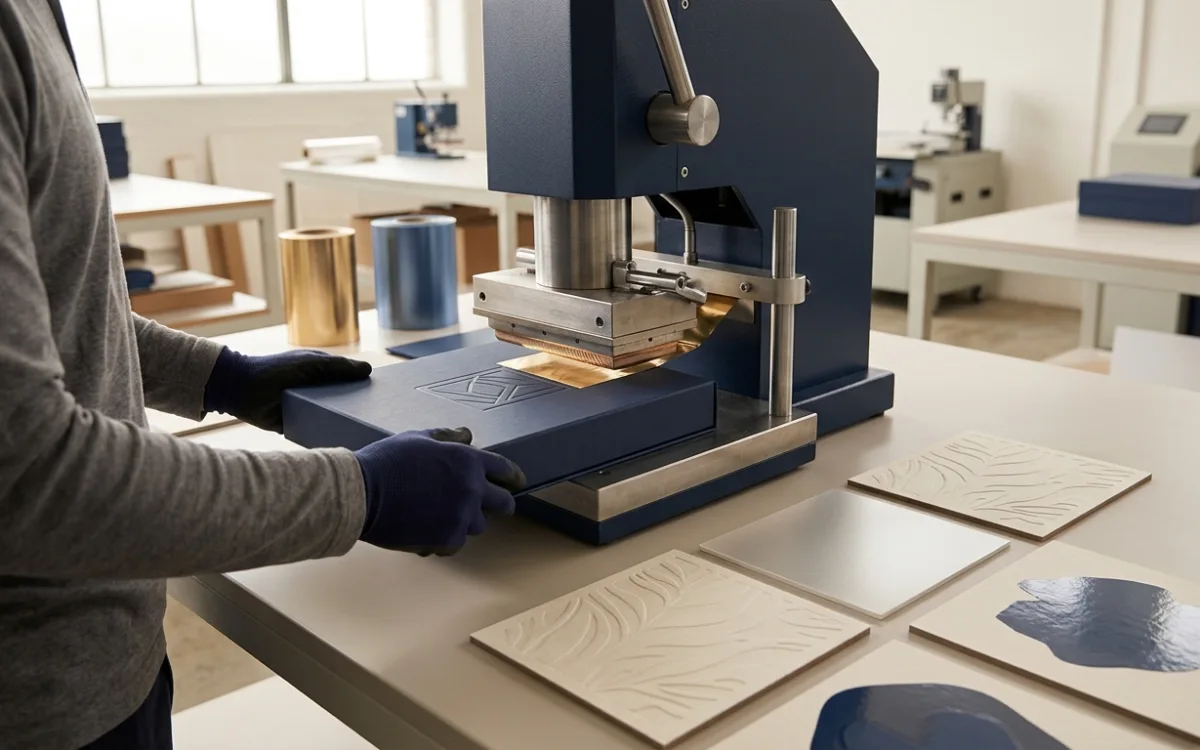
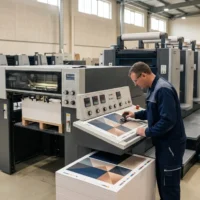
Where colour and finish need approving, a printed mock-up shows how artwork behaves on the actual substrate with the actual finish. Soft-touch lamination, foil against matte and spot UV all look different in the hand from how they look on screen, and this is where those decisions get made rather than guessed.
Why it comes before tooling
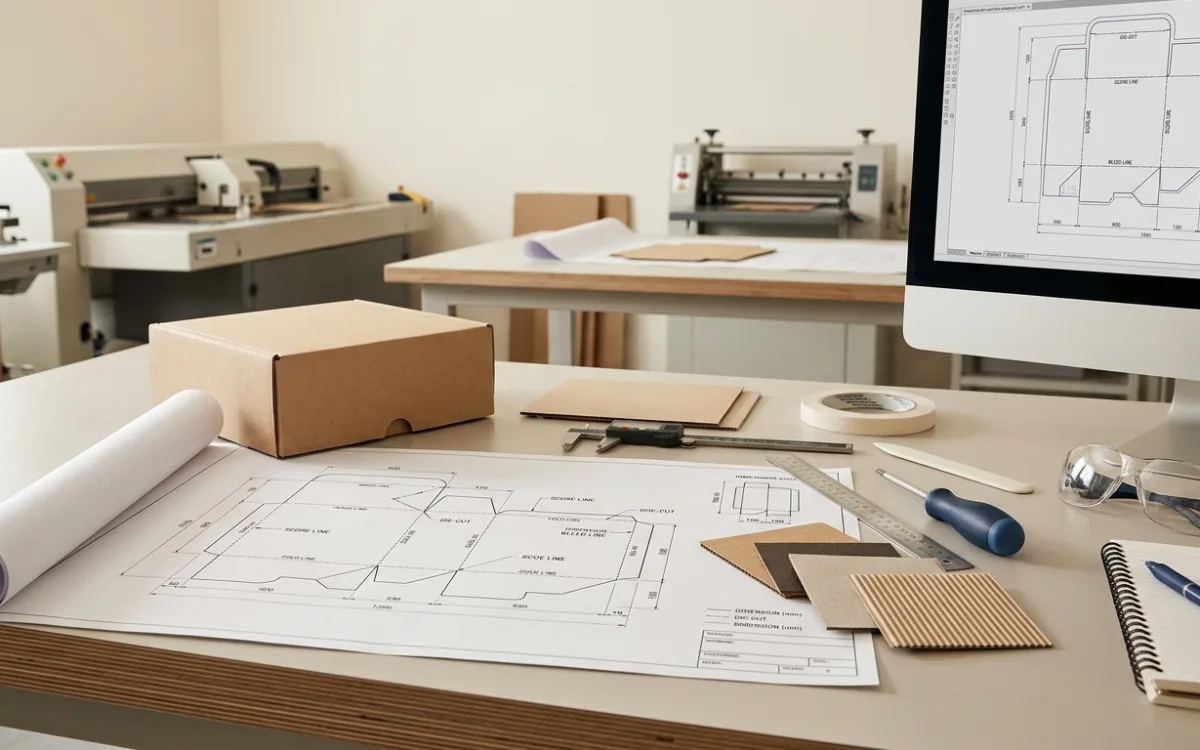
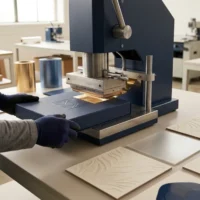
A cutting die is a physical tool made to a specific dieline. Changing the packaging after the die is made means a new die. Approving a sample first is what keeps a change cheap.
What this includes
- Physical samples produced before tooling
- Fit checked against your actual product
- Fold, lock and closure behaviour verified by hand
- Printed mock-ups for artwork and colour approval
- Loaded testing for display and heavier constructions