
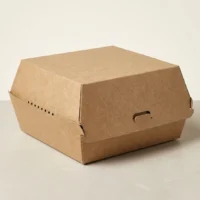
Folding Cartons
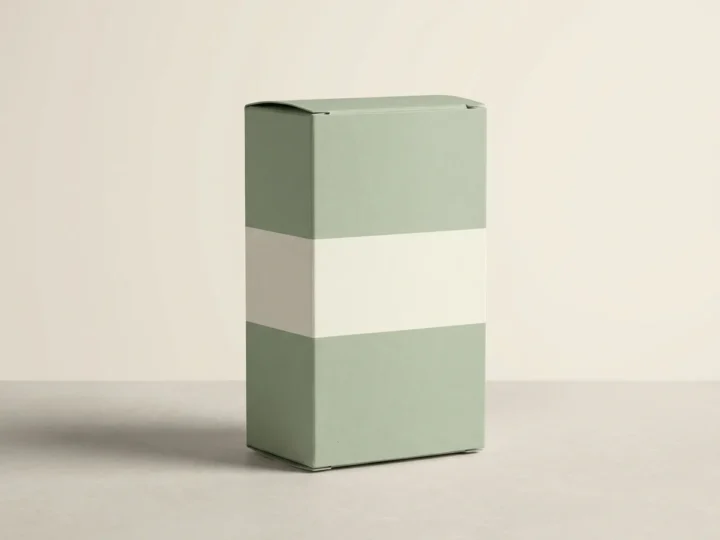
Straight Tuck End Box
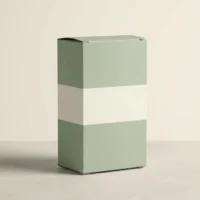
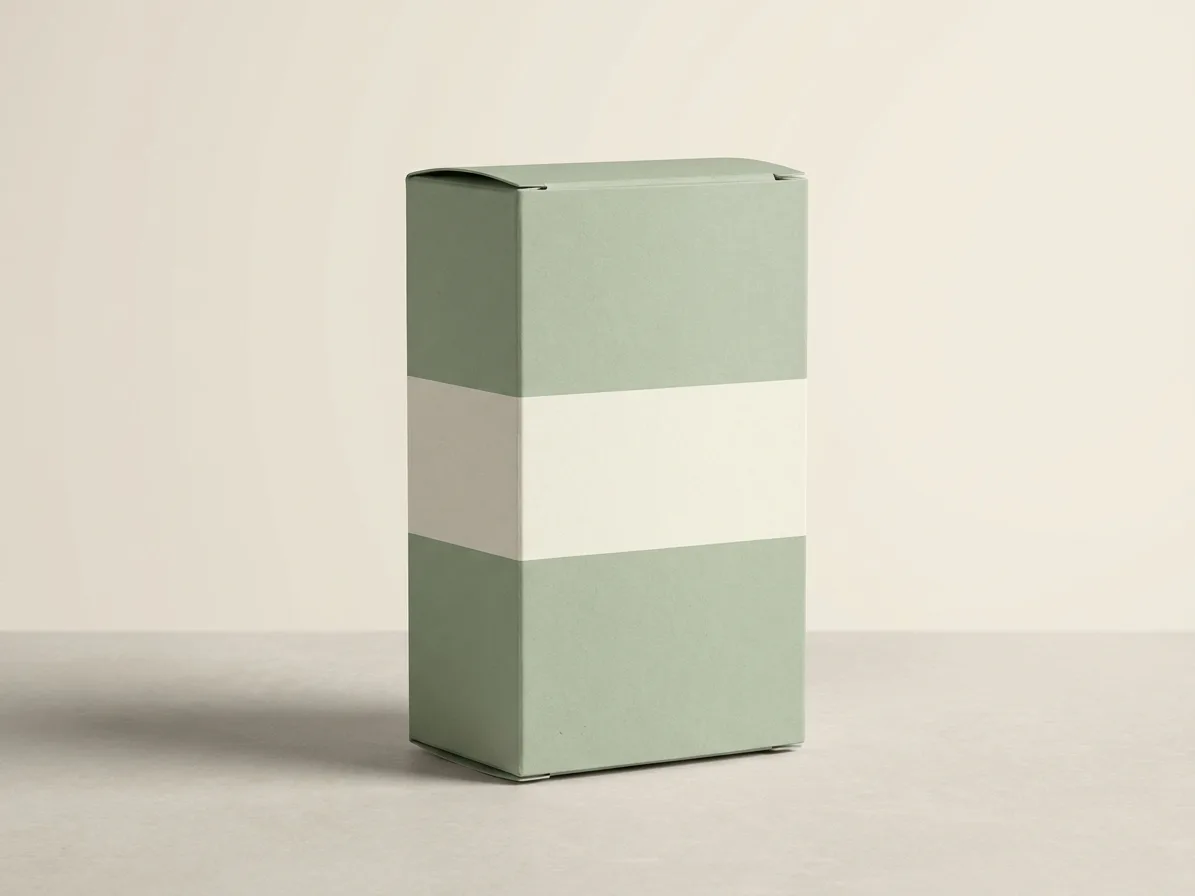
A folding carton where both flaps tuck in from the same side, leaving the front panel completely uninterrupted.
View productManufactured in Ajman
Printing, lamination, foil, die cutting, gluing and assembly under one roof — serving Dubai and the wider UAE.
Get a Quote View all packaging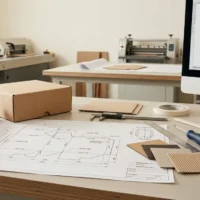 Custom Packaging Design
Structural design, dielines and artwork preparation — working out how the packaging…
Custom Packaging Design
Structural design, dielines and artwork preparation — working out how the packaging…
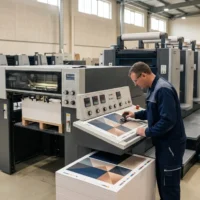 Packaging Printing
CMYK process and Pantone spot colour printing on board, paper and corrugated,…
Packaging Printing
CMYK process and Pantone spot colour printing on board, paper and corrugated,…
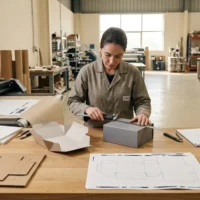 Packaging Prototyping & Sampling
Physical samples before production — the only reliable way to confirm that…
Packaging Prototyping & Sampling
Physical samples before production — the only reliable way to confirm that…
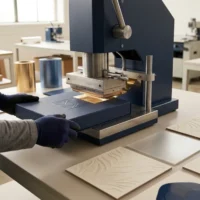 Custom Packaging Finishing
Lamination, foil stamping, embossing, debossing and spot UV — the finishing operations…
Custom Packaging Finishing
Lamination, foil stamping, embossing, debossing and spot UV — the finishing operations…
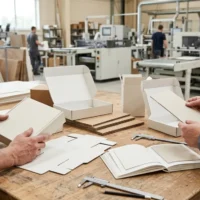 Packaging Consultation
Working through material, construction and cost decisions with a manufacturer rather than…
View all services
Packaging Consultation
Working through material, construction and cost decisions with a manufacturer rather than…
View all services
Printed paperboard cartons that ship flat and erect quickly — for retail, cosmetics, pharmacy and product lines of every size.
A folding carton where both flaps tuck in from the same side, leaving the front panel completely uninterrupted.
View product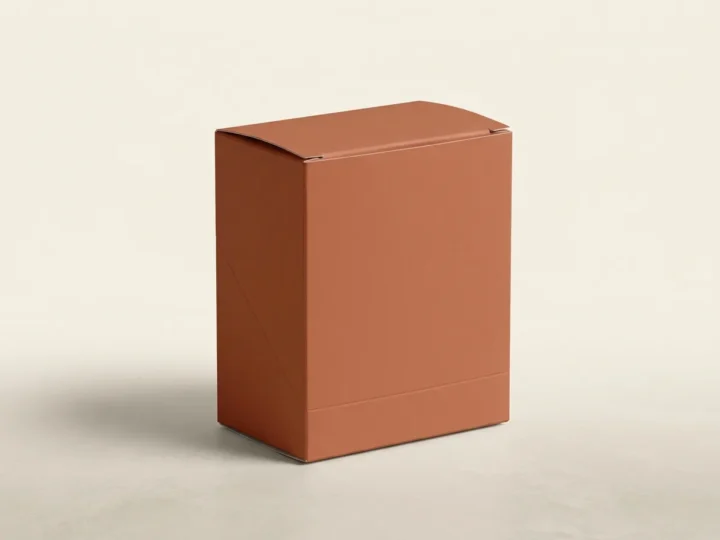
The most economical tuck carton — flaps fold from opposite panels, using less board and closing faster by hand.
View product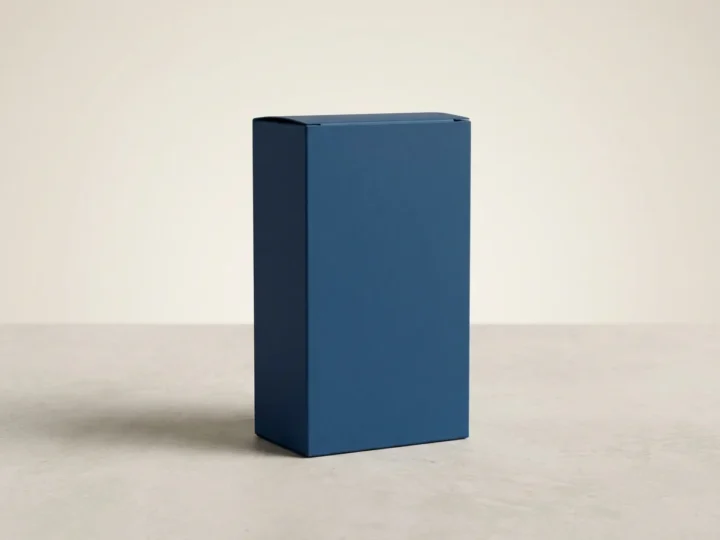
A pre-glued base that locks flat as the carton is opened — the right construction for heavier contents and fast packing.
View product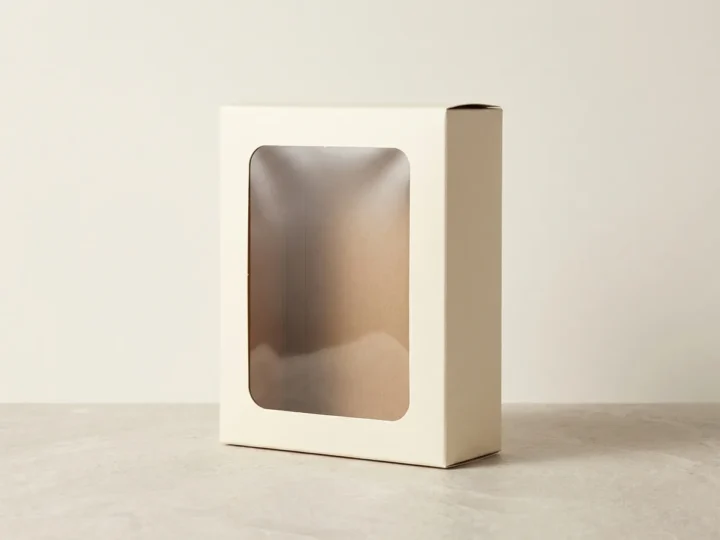
A printed carton with a die cut aperture, so the product does the selling on shelf.
View product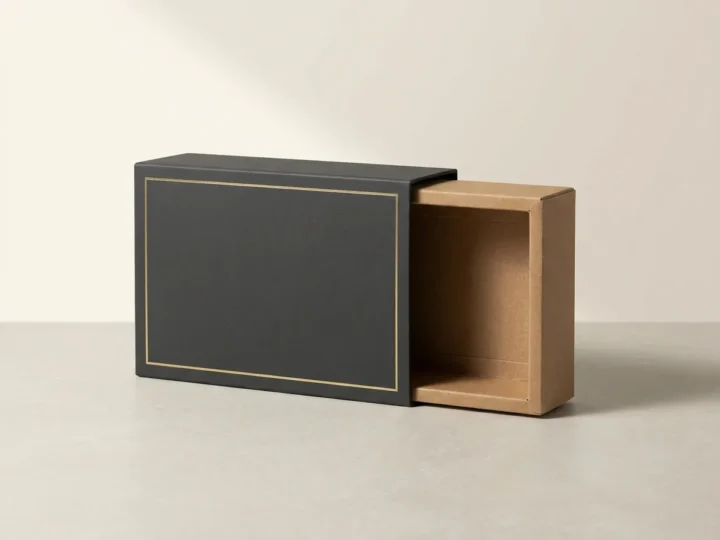
An open-ended printed sleeve that slides over a tray, a box or the product itself — the most economical way to reprint a brand change.
View product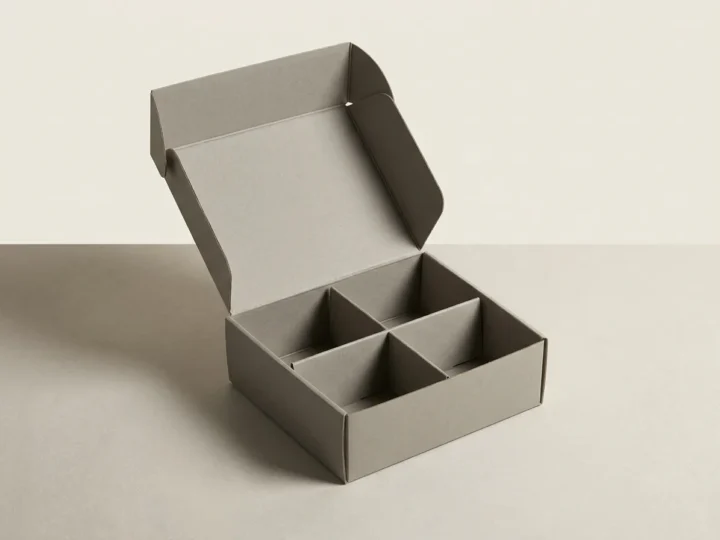
Cartons engineered around a specific product line, including partitions, fitments and non-standard closures.
View productThe folding carton is the workhorse of retail packaging. Printed on coated board or kraft, die cut, creased and glued, it ships flat and is erected at the point of packing — which is what keeps both storage and unit cost down on any meaningful volume.
Most of the decisions on a carton are structural rather than decorative. How the box closes determines how fast it can be packed by hand; whether the bottom is tucked or auto-locking determines how much weight it will carry; whether there is a window determines how much of the product a shopper can see before buying.
We print, die cut, finish and glue folding cartons in Ajman, and supply them flat and ready to erect.
If a carton might not be the right format, our comparison of rigid, folding and corrugated construction explains where each one earns its place.
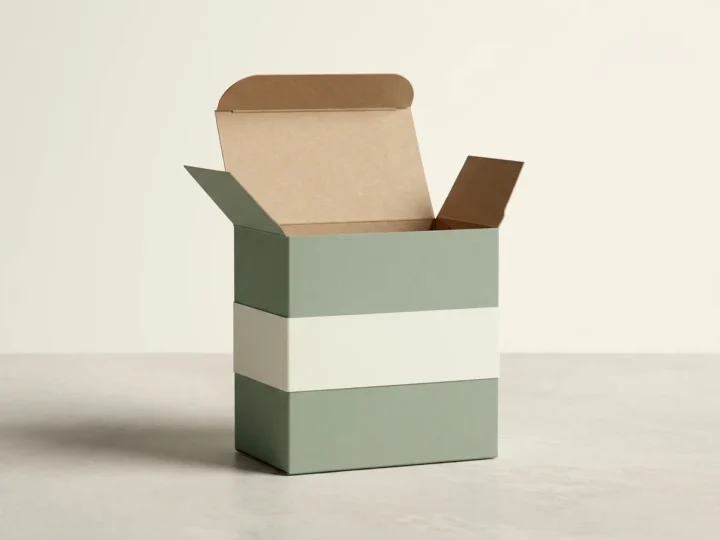
Both flaps tuck in from the same side. The cleanest front face, so it is the usual choice where the front panel carries the brand.
Flaps tuck from opposite sides. Slightly more economical on board than STE and quicker to close by hand.
A pre-glued base that locks flat as the carton is opened. The right answer for heavier contents or fast manual packing.
A die cut aperture, with or without a clear patch, so the product is visible on shelf.
An open-ended printed sleeve over a tray, another box or the product itself. Cheap to reprint when the artwork changes.
Cartons specified around a particular product line rather than a standard style, including partitions and inner fitments.
Board, print process and finish are chosen per project. Sizes are always made to your dimensions.
Custom sizes available
Cartons are printed, laminated or coated, die cut against the approved dieline, stripped and then glued. Where a carton is straight-tuck or reverse-tuck, only the side seam is glued; auto lock bottom work carries a second glue pattern across the base.
The dieline is where most carton problems are avoided. We prepare or check the dieline against the product being packed before anything goes on press, and produce a physical sample so the fit can be confirmed before a full run.
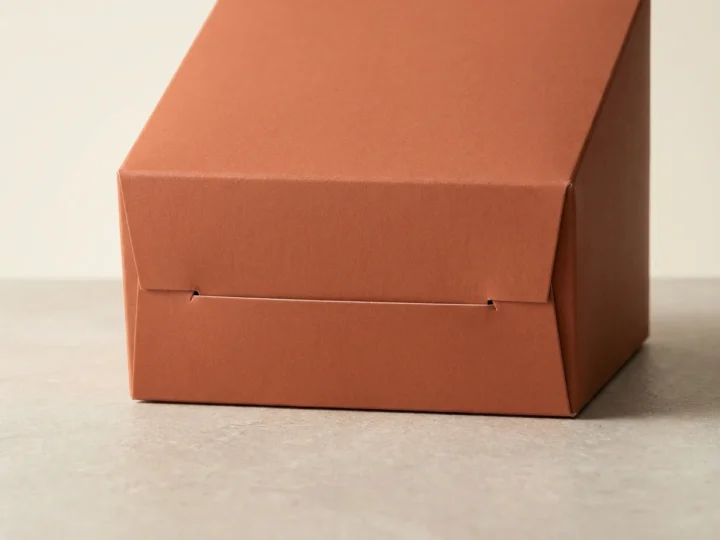
Straight tuck end keeps the front panel uninterrupted, which suits a carton where the front is the main brand face. Reverse tuck end uses slightly less board and is a little faster to close by hand, which matters if you are packing in volume. For most retail products the visual difference on shelf is small.
Yes. We prepare the dieline for your carton and supply it for artwork, or check a dieline you already have against the product dimensions. Approving a dieline and a physical sample before the print run is the single best way to avoid a costly reprint.
It depends on the size of the carton and the weight it carries. A small cosmetics carton and a carton holding a heavy bottle need different board. We recommend a thickness for your specific product rather than applying a default, and confirm it on the sample.
Yes. A window can be die cut open, or fitted with a clear patch where the contents need protecting from dust. The window position and size are set on the dieline, so they need to be agreed before the cutting die is made.
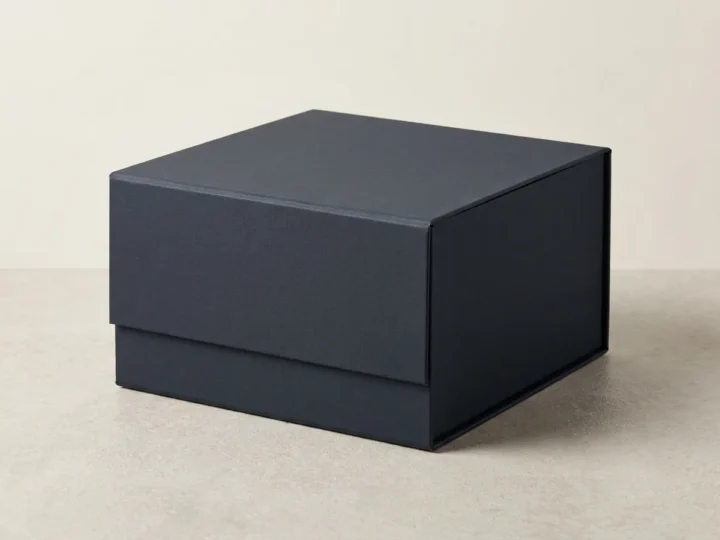
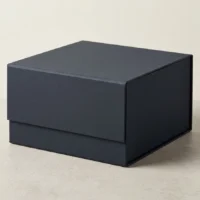
Wrapped greyboard boxes for perfume, jewellery, cosmetics and premium gifting — made to your dimensions in Ajman.
Explore 6 products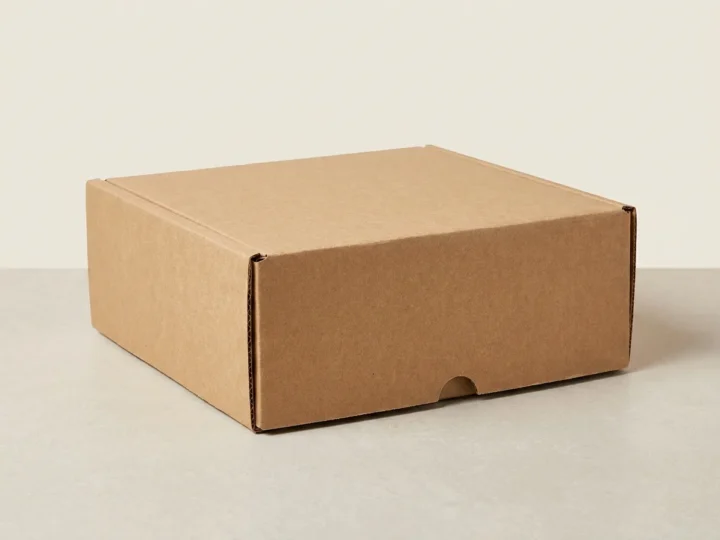
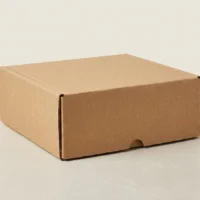
Printed corrugated mailers, shipping cartons and display boxes built to survive the journey to your customer.
Explore 5 products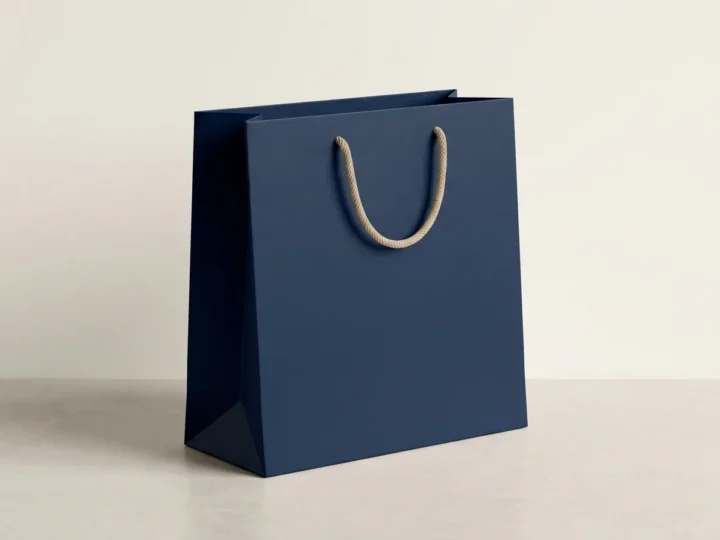
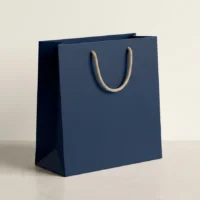
Retail and luxury paper bags with rope, ribbon or twisted handles — printed and made up at our own facility.
Explore 4 productsSend us your specification, artwork or a reference sample. We will come back to you with materials, construction and pricing for your project.